BOLO: Chimney Scammers on the Rise
Scammers are everywhere. They’re in your inbox, your text messages, and even at your front door. While most scams focus on your computer or internet accounts, some target your home.
If you have a fireplace and a chimney, know that they’re targets for unscrupulous people who want to trick you and take your money.
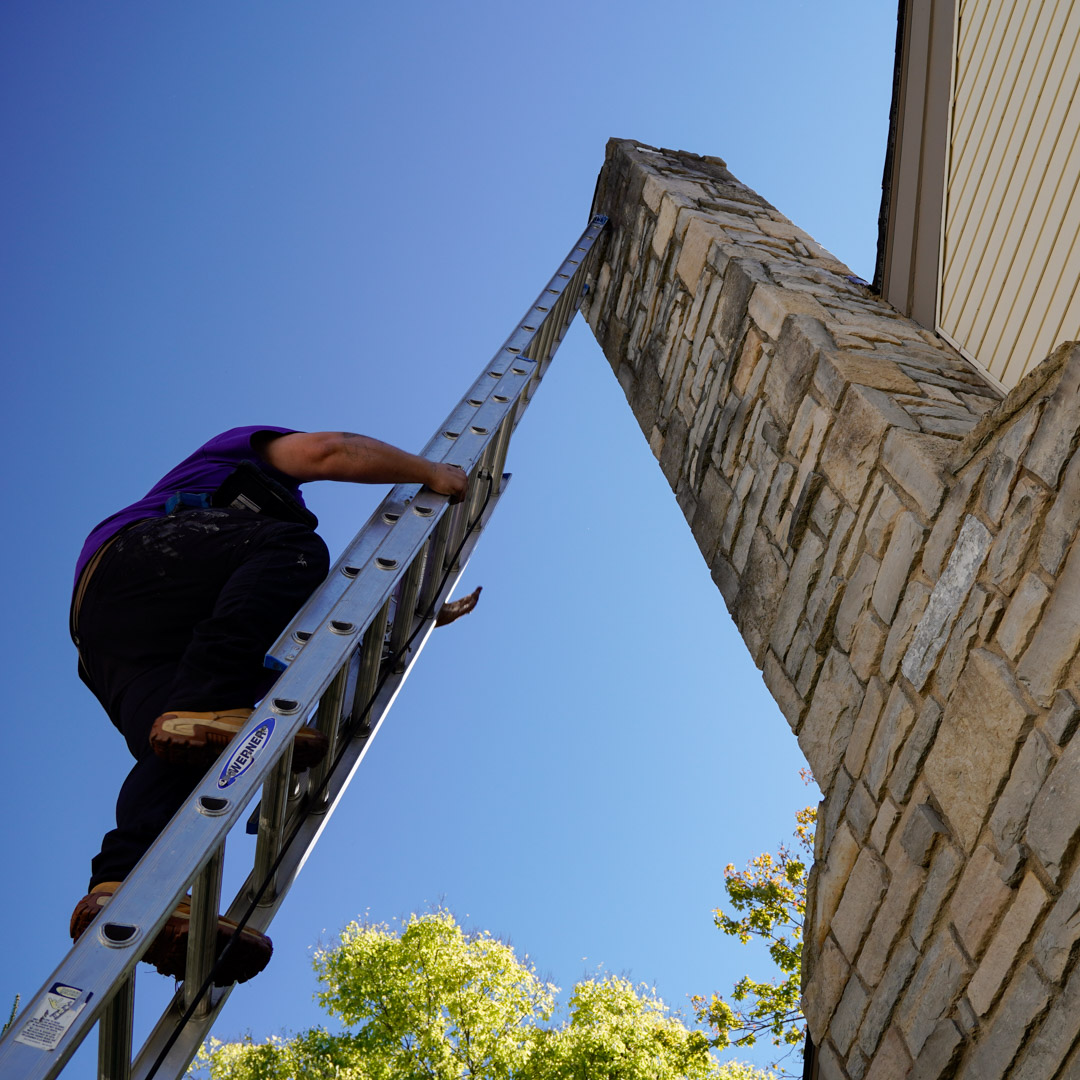 Let’s look at the most common chimney scams that you might encounter this year and how you can protect yourself and your wallet.
The “Free Inspection” That Turns Into a Crisis
One of the oldest chimney scams starts with a free inspection, often advertised through door hangers, mailers, or unsolicited phone calls. During the inspection, the technician suddenly “finds” severe structural damage, hidden cracks, or dangerous buildup that must be fixed immediately.
They may use alarming language such as ‘fire hazard,’ ‘carbon monoxide risk,’ or ‘code violation’ to push you into same-day repairs.
How to protect yourself: A legitimate chimney inspection doesn’t require high-pressure tactics. If someone claims your chimney is unsafe and demands immediate action, pause. Get a second opinion from a certified chimney professional who was not involved in the first inspection.
Fake or Misleading Chimney Camera Footage
Some scammers use stock photos or videos to “prove” damage inside your flue. Others may show you blurry images and claim they reveal severe cracking or collapse—even if the footage isn’t from your chimney at all.
Because most homeowners can’t interpret chimney camera images, this tactic is almost always effective.
How to protect yourself: Ask the technician to explain exactly what you’re seeing and where the damage is located. Reputable companies will label footage, answer questions clearly, and provide written documentation. If the explanation sounds vague or evasive, walk away.
Unnecessary Chimney Relining
Chimney relining is a legitimate and sometimes essential repair—but it’s also one of the most abused upsells in the industry. Some scammers claim your liner is “outdated” or “illegal” even when it’s functioning properly.
How to protect yourself: Ask what specifically is wrong with your liner and whether it fails current building codes. A trustworthy chimney professional will explain whether relining is required for safety, efficiency, or appliance compatibility—and not all older liners automatically need replacement.
 Door-to-Door or Storm-Driven Scams
After storms, scammers often go door to door claiming high winds or lightning damaged chimneys in the area. They may say your chimney was “reported” or “flagged” and offer a quick inspection.
These scams rely on urgency and fear.
How to protect yourself: Reputable chimney companies do not solicit door-to-door. If someone shows up unannounced, do not let them on your roof or inside your home. Instead, contact a local, established chimney company with verified reviews.
Be Safe and Call the Chimney Guys
The Chimney Guys has served the Columbus and surrounding areas for over two decades. We’re trusted, certified, and committed to providing outstanding customer service and high-quality work. Call us for all your chimney and fireplace needs!