Three Reasons to Have Your Chimney Relined
In Early America, chimneys were built without liners. In fact, nobody even thought there could be a thing called a “chimney liner.” Chimneys were just put together with bricks, and everybody hoped for the best. Today, chimney liners are required by law in most U.S. jurisdictions. And for good reason. The Chimney Guys of Pataskala, OH, would like to share three reasons for having your chimney liner looked at and possibly replaced. We’ll also talk about the two best methods for relining a chimney.
Damage from a chimney fire
Chimney fires happen more often than you probably realize. Large, blazing fires can cause significant chimney liner damage, but so can a series of small fires that start and go out before being noticed.
Intense fire can negatively affect the most common chimney liner materials:
- Stainless steel
- Clay tiles
- Poured-in-place compounds
If a chimney fire has damaged your liner, it’s time to have the liner replaced.
Liner corrosion
Combustion gases contain acids that can eventually eat away at even the sturdiest chimney liner. If your chimney drafts a wood fireplace, your liner will also have to deal with creosote, which forms when smoke condenses and is highly acidic.
You can’t prevent combustion gases and creosote, but you can minimize damage by having your chimney professionally cleaned and inspected once a year.
If your chimney liner has gaps, cracks, holes or missing sections because of corrosion, it’s time to have it relined.
Installing a new heating appliance
The chimney liner that drafts your fireplace is correctly sized for that specific drafting task. If you’re planning to connect a new appliance to the chimney, a new liner will likely be needed.
Additional appliances can include boilers, furnaces and water heaters. When adding a new liner during a system alteration, it’s critical that the work is done in a way that meets state and local code regulations.
The dangers of a damaged chimney liner
There are several potential dangers that you can face if your chimney liner is damaged.
One danger is a house fire. Gaps in the liner material can release intense heat that will dry out home building materials near the chimney, making them ready to ignite should flames come into contact with them.
Another danger is the escape of combustion gases, particularly carbon monoxide. A damaged liner can allow this invisible and odorless gas to enter your living spaces and cause potentially serious health issues for people and animals in the home.
Finally, flames and corrosive gases leaving a damaged chimney liner can deteriorate the interior masonry of your chimney structure. The end result can be a leaning or collapsed chimney and widespread water leaks.
 Chimney relining
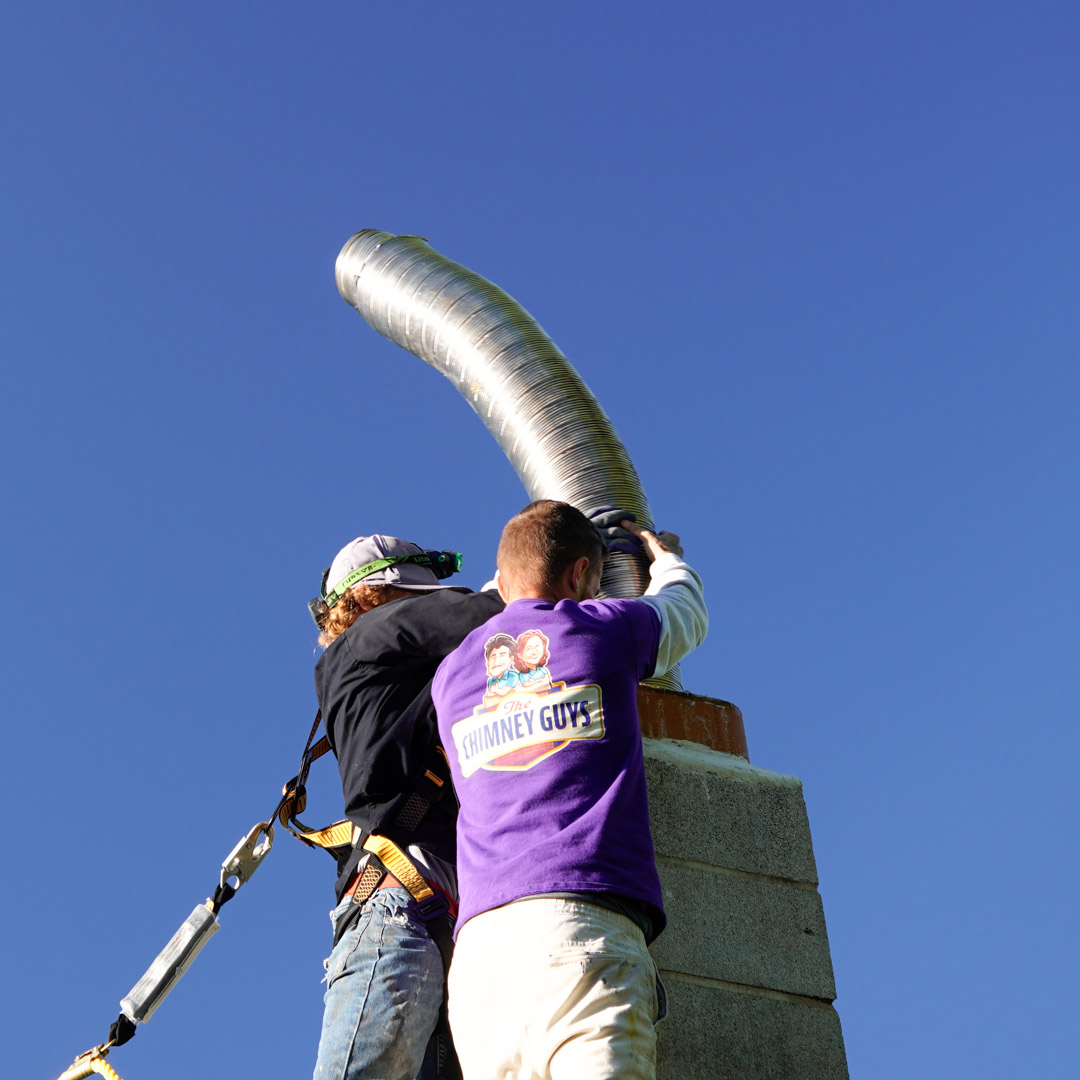
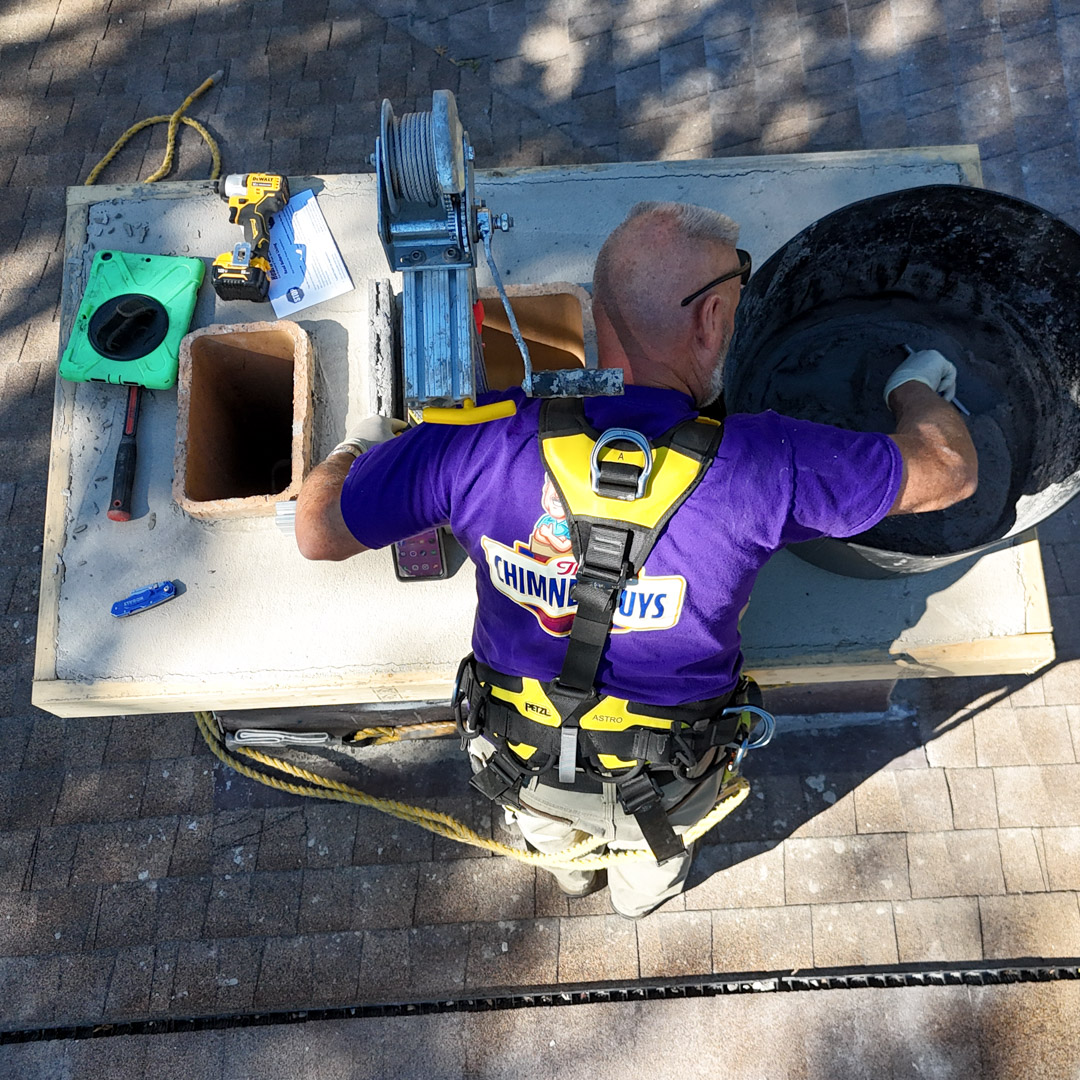
In most cases, damaged stainless-steel liners should be replaced with new, top-quality stainless-steel liners. Following an inspection, it might be found that relining with stainless steel is also a good option for damaged clay tile and poured-in-place liners.
Another option is the HeatShield process for tile and poured-in-place chimney liners that are starting to fail. HeatShield uses a specialized compound that coats the inside of damaged liners and is perfect for repairs and complete relining jobs.
Call your Ohio chimney experts
The Chimney Guys provides licensed chimney inspections and chimney liner repair and relining services in the greater Columbus, OH, region. Call us first to make your chimney safer and more efficient.
Reach a chimney expert by phone or through our contact form.