What Fire Prevention Week Should Mean to You
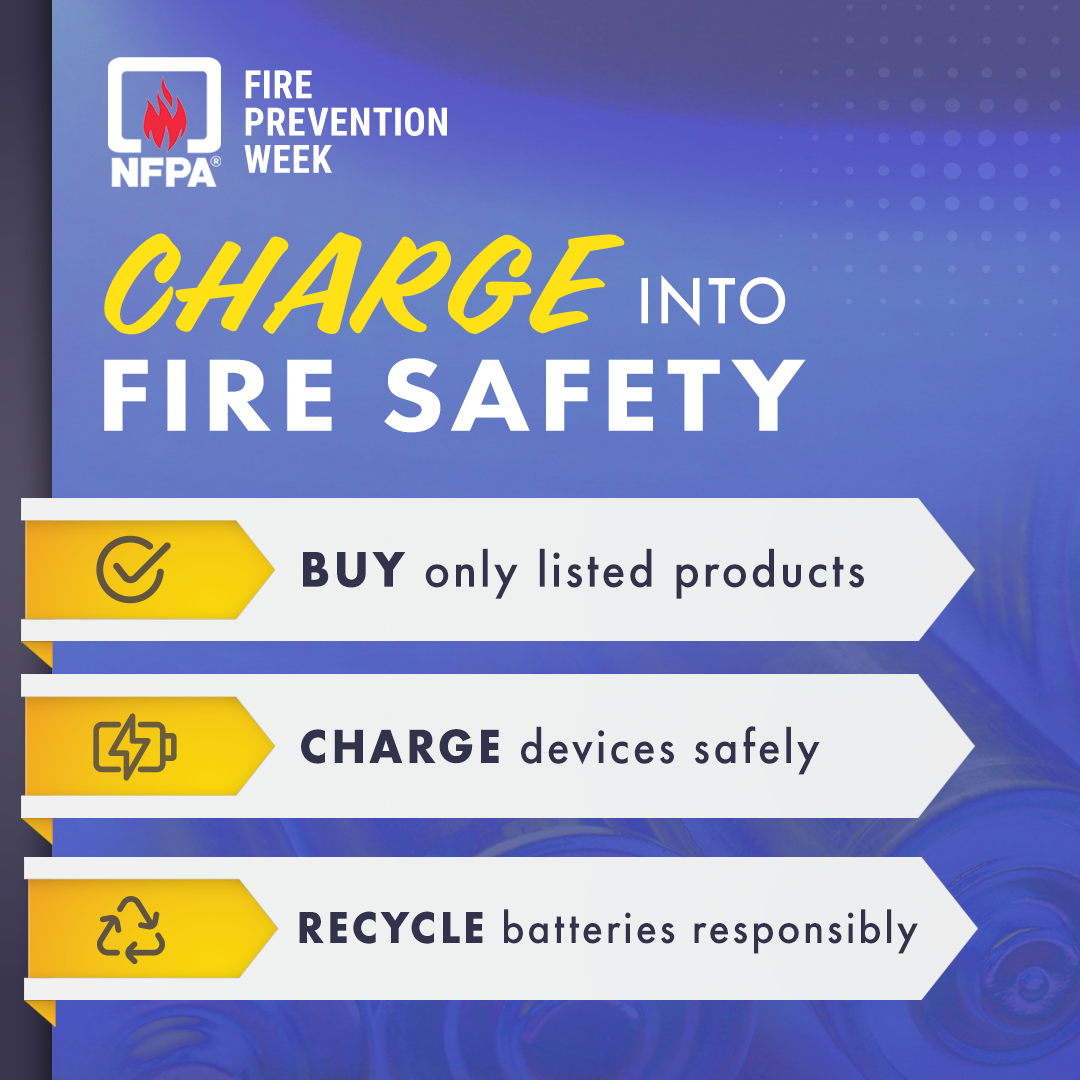
Every year, the National Fire Protection Association (NFPA) sponsors Fire Prevention Week to spread education and tips about fire safety. This year, it’s October 5-11 with the theme “Charge into Fire Safety: Lithium-Ion Batteries in Your Home.”
 What should this week mean to you? For all of us, it should mean a chance to refresh our knowledge about fire safety and be aware of the ways accidental fires can start in our homes. Chimneys are often the source of fires in the greater Columbus, OH, region.
The Chimney Guys of Pataskala, OH, would like to share four helpful tips of chimney fire safety that you can use during Fire Prevention Week and all year long.
-
Keep your chimney clean
The igniting of built-up creosote causes most of the reported chimney fires in the U.S. each year. Creosote forms when smoke condenses in the chimney flue. It is highly flammable.
Chimney sweeping uses specialized tools and equipment to remove creosote. NFPA, the Chimney Safety Institute of America and most other fire safety agencies recommend annual chimney sweeping for chimneys connected to wood-burning fireplaces.
-
Schedule chimney inspections
An annual chimney inspection looks at all readily accessible areas of your chimney system, including the chimney liner. If the liner is cracked or otherwise damaged, flames from a chimney fire can escape and set fire to the home.
While many fires inside chimney flues are brief and go out on their own, all of them can lead to damage and safety issues. Have your chimney inspected by a licensed professional around the same time each year.
-
Start fires with matches or a lighter
Lighter fluid, kerosene and other accelerants are no good for use in fireplaces. They burn very hot and create excess smoke and dangerous gases.
An accelerant flare-up can set fire to a chimney or nearby parts of the home. It can also injure someone standing close to the fireplace. Use matches or a lighter to start fireplace fires.
-
Create less smoke
Because smoke becomes creosote that starts chimney fires, you want to create as little smoke as possible when using your fireplace. Here’s how.
- Burn only dry wood, which is far less smoky than damp wood.
- Make sure your damper is fully opened to speed smoke up and out of the chimney.
- Never burn clothing, plastic, metal, packaging material, cardboard or any other non-firewood item. These materials are very smoky and can burn at high temperatures.
- Don’t overfill your firebox with logs. Too many logs will result in too much smoke and heat.
Follow these tips, and you’ll be taking a big step toward reducing the chance of a devastating chimney fire in your home.
 About NFPA
In 1895, a group of insurance professionals in Boston met to devise a set of safety standards for fire sprinklers. A year later, the National Fire Prevention Association was born. Today, NFPA serves the entire United States.
The organization’s key objectives include education, training and certification programs for people who work in fire-related occupations. NFPA’s 300-plus codes cover everything from chimney and fireplace safety to best practices when working with electrical systems. Fire Prevention Week is one of the many ways NFPA spreads awareness about fire safety and prevention.
Does your chimney need to be cleaned?
If it’s been more than a year since your chimney was cleaned and inspected, call The Chimney Guys in the Greater Columbus, OH, area. You can also reach out through our contact form.